Restorative Dentistry
Dental Bridges in Clark, NJ
A dental bridge replaces one or more missing teeth by anchoring a natural-looking replacement tooth to the healthy teeth on either side of the gap. At our Clark, NJ practice, Gary I. Borker, DMD, creates bridges that restore your bite, your smile, and your confidence.
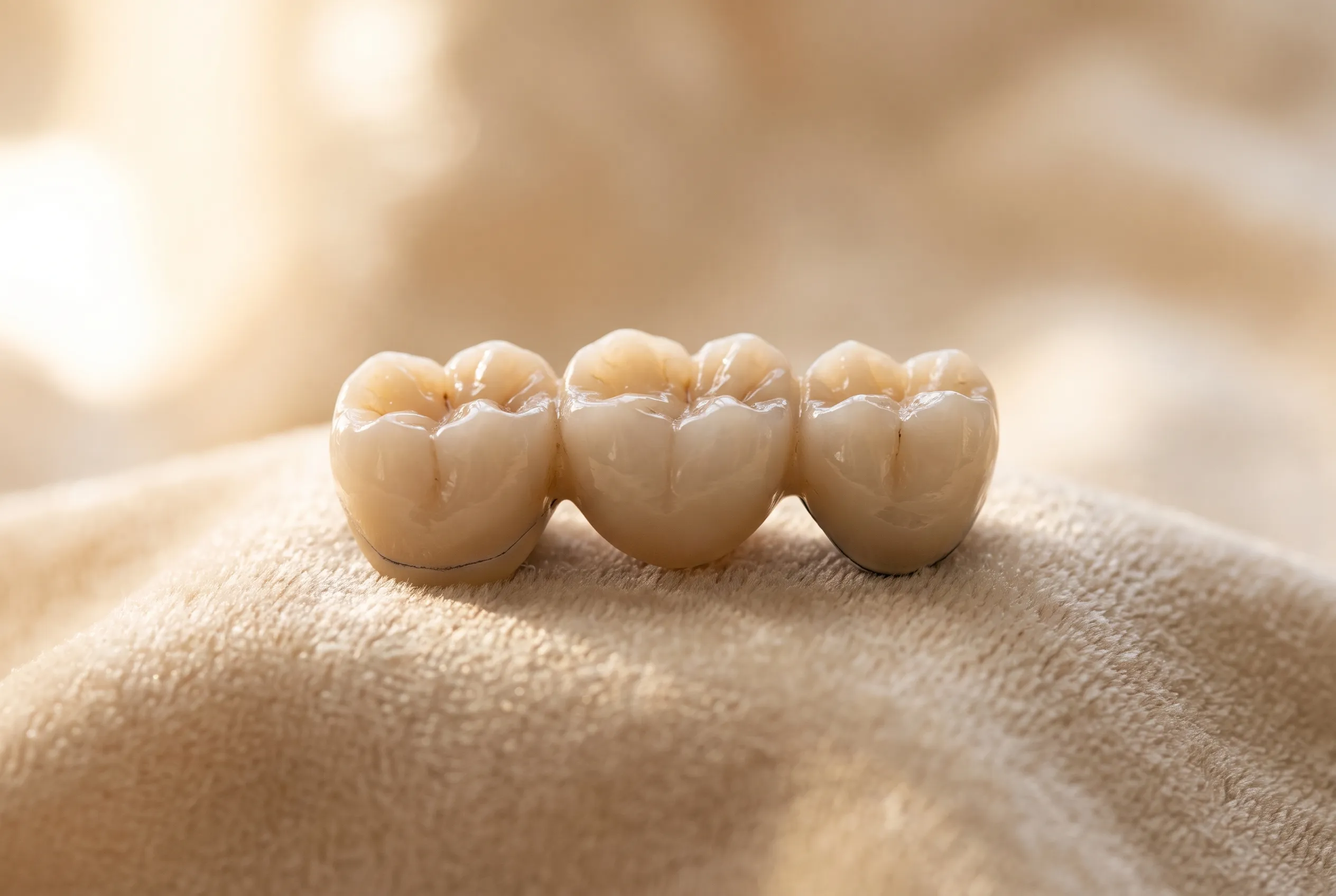
How a Dental Bridge Replaces Missing Teeth
When you lose a tooth, the gap left behind can do more than affect your appearance. Nearby teeth may begin to drift into the empty space, your bite can shift, and chewing on that side can become uncomfortable. A dental bridge solves this by literally bridging the gap, using the teeth on either side as supports for a replacement tooth that fills the space. The result is a stable, fixed restoration that stays in your mouth and works much like your natural teeth. Because it is not removable, you do not have to take it out to clean it or worry about it slipping while you eat or speak.
A traditional bridge relies on crowns placed over the healthy teeth that border the gap, with the replacement tooth fused between them. Because the supporting teeth are crowned in the process, a bridge often makes sense when those neighboring teeth could also benefit from the added protection. Dr. Borker will examine your teeth and gums carefully to confirm that a bridge is a good fit for your situation, and he will explain how it compares to other options so you can choose with confidence. Restoring the gap also helps you chew evenly again, which takes pressure off the teeth that have been doing extra work while the space went unfilled.
The Bridge Process and Your Other Options
Getting a bridge usually takes two visits. At the first appointment, Dr. Borker prepares the supporting teeth and takes precise impressions that the lab uses to craft your custom bridge. You leave with a temporary bridge that protects the area while your permanent one is made. At the second visit, we check the fit, color, and bite, then secure the finished bridge in place so it feels comfortable and looks natural when you smile and speak. We take time to make sure your bite feels balanced before you leave, since even a small adjustment can make a big difference in day-to-day comfort.
A bridge is not the only way to replace missing teeth, and part of our job is helping you understand the choices. The supporting teeth in a traditional bridge are restored with dental crowns, which is why the health of those neighboring teeth matters so much. For some patients, an implant offers another path that does not rely on the adjacent teeth at all, and you can read more on our page about dental implants. Dr. Borker will walk you through the pros and cons of each so the plan fits your mouth, your goals, and your budget.
Caring for Your Bridge in Clark and Union County
A bridge can serve you well for many years when you keep it clean and healthy. Brushing twice a day and flossing daily are still essential, and we will show you how to clean underneath the replacement tooth using a floss threader or a small interdental brush so food and plaque do not build up where the bridge meets your gums. Keeping up with regular cleanings and checkups lets us monitor the supporting teeth, since their long-term health is what keeps the whole bridge secure.
Patients throughout Clark and the surrounding Union County area value having a single, trusted dentist who can follow their care over time rather than starting over with someone new at every step. Replacing a missing tooth promptly also helps protect the teeth you still have, since it keeps your bite balanced and prevents neighboring teeth from shifting. With more than 30 years of experience, Dr. Borker takes the time to make sure your bridge fits comfortably and looks like it belongs, so you can eat the foods you enjoy and smile without giving the gap another thought.
Frequently asked questions
- How long does a dental bridge last?
- Many bridges last ten years or more with good care. Daily brushing and flossing, cleaning under the bridge, and regular checkups all help protect the supporting teeth, which is the key to keeping the bridge stable over time.
- Is it hard to eat with a bridge?
- Most patients adjust quickly and find they can eat comfortably soon after the bridge is placed. Because a bridge is fixed in your mouth rather than removable, it feels and functions much like your natural teeth once you get used to it.
- How do I clean under my bridge?
- Because a bridge sits above the gum where the tooth is missing, you clean beneath it using a floss threader or a small interdental brush. We will show you the technique at your visit so keeping the area clean becomes a simple part of your routine.
Welcome to the practice
Give your smile the best in dental care
From the moment you walk through our door, you are greeted with a smile and a warm hello. Call today or request an appointment online, and discover dental care made easy.